French Drain Near Polk County, Iowa: 7 Things to Know Before Hiring a contractor
Introduction
If you’ve ever walked outside after a heavy Iowa rainstorm and found puddles sitting in your yard for days, you’re not alone. Maybe water keeps creeping toward your foundation. Maybe your basement smells damp no matter what you do. Or maybe every spring feels like a gamble, wondering if this will finally be the year water damage turns into a major repair bill.
For many homeowners near Polk County, Iowa, drainage problems start small. A soggy patch of grass. Water pooling near the driveway. Mud around the patio. But over time, those little warning signs can turn into cracked foundations, flooded basements, ruined landscaping, and expensive repairs.
At DC Underground, Inc., we work with homeowners throughout Knoxville, Iowa and surrounding counties including Polk, Marion, Mahaska, Jasper, Warren, Dallas, Story, Poweshiek, Wapello, and Johnson Counties. One thing we’ve learned is this: most people don’t think about drainage until it becomes impossible to ignore.
And honestly, we understand why. Hiring a contractor for drainage work can feel overwhelming. You may not know who to trust. One company tells you that you need a full drainage system. Another gives you a suspiciously low price that sounds too good to be true. Meanwhile, the water problem keeps getting worse every time it rains.
That’s exactly why this guide exists.
This article is designed to help homeowners better understand what to look for before hiring someone for a French Drain Near Polk County, Iowa. We want you to feel informed, confident, and prepared to make the right decision for your property.
1. Not Every Drainage Problem Needs the Same Solution
One of the biggest mistakes homeowners make is assuming every drainage issue can be solved the same way.
The truth is, water problems come from many different sources.
Sometimes rainwater is flowing downhill toward your home because of improper grading. Other times, groundwater builds up around your foundation because the soil can’t drain properly. In some cases, clogged gutters are the real problem. In others, the issue is buried underground where you can’t even see it.
A French drain can be a highly effective solution, but only if it’s designed for the right problem.
That’s why a professional contractor should inspect the property carefully before recommending anything. If someone gives you a quote after only five minutes in your yard, that should raise concerns.
At DC Underground, Inc., we believe every property deserves a customized approach. Homes in Knoxville may deal with different drainage challenges than homes closer to Des Moines or other parts of Polk County. Soil conditions, elevation, landscaping, and even nearby construction can all affect how water behaves on your property.
A properly designed system should solve the root cause, not just cover up the symptoms.
2. Experience With Iowa Soil Matters More Than Most Homeowners Realize
Iowa soil can be tough to work with, especially in areas with heavy clay content.
Clay soil holds water longer than sandy soil, which means drainage problems tend to stick around. During freeze-thaw cycles in the winter, expanding and contracting soil can also put stress on drainage systems that weren’t installed correctly.
This is one reason local experience matters.
A contractor who understands drainage in Iowa will know how local weather and soil conditions affect long-term performance. They’ll also understand common issues homeowners face throughout Polk, Jasper, Warren, and surrounding counties.
Unfortunately, some contractors install French drains using shortcuts that may work temporarily but fail after a few seasons.
For example:
Incorrect pipe slope
Poor gravel selection
Cheap drainage fabric
Improper outlet placement
Trenches that are too shallow
These mistakes often don’t show up immediately. Everything may seem fine for the first few storms. But eventually, the drain clogs, shifts, or backs up, leaving homeowners right back where they started.
When searching for a French Drain Near Polk County, Iowa, ask contractors about their experience specifically with Iowa drainage conditions, not just general excavation work.
3. Cheap French Drain Installations Often Become Expensive Repairs
Everyone wants to save money. That’s understandable.
But drainage work is one area where the cheapest option can become the most expensive mistake.
A poorly installed French drain might temporarily move water away from one area while quietly creating bigger problems somewhere else. We’ve seen cases where improperly routed drainage caused erosion near foundations, flooded neighboring yards, or damaged landscaping.
In many situations, homeowners end up paying twice:
Once for the original installation
Again to fix the failed system
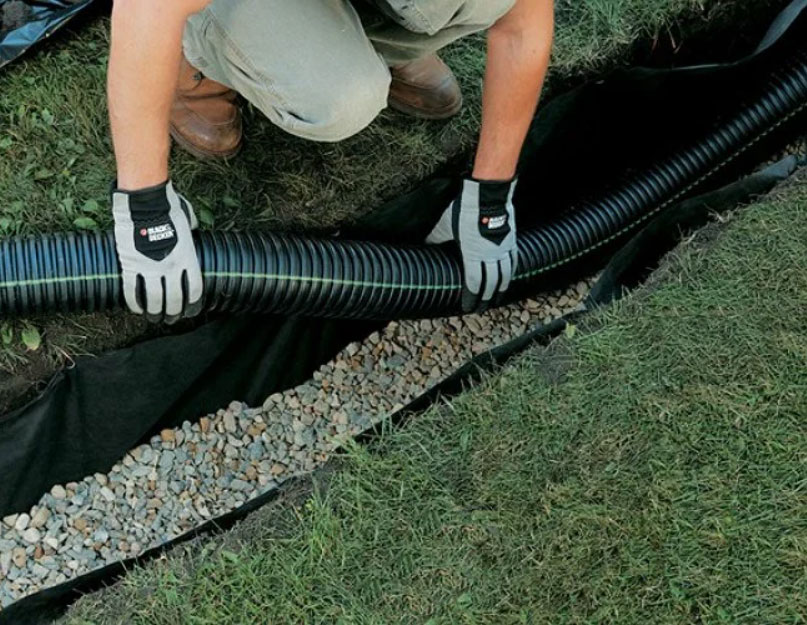
A quality French drain system depends on several important details:
Proper trench depth
Correct pipe angle
Durable perforated piping
High-quality drainage stone
Reliable drainage fabric
Safe water discharge location
If any one of those parts is done incorrectly, the entire system can struggle.
One warning sign is unusually low pricing compared to other estimates. While competitive pricing is normal, dramatically lower bids may mean corners are being cut somewhere.
A trustworthy contractor should be transparent about materials, labor, installation methods, and expected performance.
4. You Should Understand Exactly Where the Water Will Go
Many homeowners focus so much on removing water from one spot that they forget to ask the most important question:
“Where will the water end up?”
That question matters more than most people realize.
A French drain is designed to redirect water, not magically eliminate it. If the drainage outlet is poorly planned, the water may simply move from one problem area to another.
For example:
Water discharged too close to the home can cycle back toward the foundation.
Poorly placed outlets can damage landscaping.
Improper drainage paths can create icy areas during winter.
Water redirected toward neighboring properties can create disputes.
A good contractor should explain the entire drainage path clearly before work begins.
At DC Underground, Inc., we believe homeowners should fully understand how the system works before installation starts. Drainage systems are an investment in protecting your property, and you deserve clear answers.
If a contractor struggles to explain where the water will flow or avoids detailed questions, that’s worth paying attention to.
5. Permits, Utilities, and Property Lines Can Create Serious Problems
Drainage work involves more than digging trenches.
Before excavation begins, underground utility lines must be identified. Hitting electrical, gas, water, or communication lines can create dangerous situations and major repair costs.
There are also local considerations involving:
Easements
Property lines
Drainage regulations
Water runoff direction
County requirements
Professional contractors understand how to navigate these issues safely.
Unfortunately, homeowners sometimes hire inexperienced crews who skip important preparation steps. That can lead to delays, fines, damaged utilities, or legal headaches.
An experienced contractor should:
Coordinate utility locating services
Understand local drainage concerns
Respect neighboring properties
Follow proper excavation safety practices
These details may not sound exciting, but they matter a lot once the digging starts.
6. Reviews and Local Reputation Tell You a Lot About a Contractor
Online reviews are helpful, but knowing how to read them matters.
Don’t just focus on star ratings. Look for patterns in what customers say.
Do homeowners mention:
Clear communication?
Professional cleanup?
Long-lasting results?
Honest pricing?
Reliable scheduling?
Those details often tell a more complete story.
It’s also smart to look for contractors with experience specifically related to drainage and excavation work, not just general landscaping.
When researching a French Drain Near Polk County, Iowa, local reputation matters because drainage challenges vary by region. Contractors familiar with local soil conditions and weather patterns are often better prepared to build systems that last.
You can also ask for:
Before-and-after photos
References from nearby homeowners
Examples of similar projects
Information about warranties
A reputable contractor should be comfortable discussing past work and answering questions openly.
7. The Best Contractors Customize the Solution to Your Property
No two properties drain exactly the same way.
That’s why cookie-cutter drainage solutions often disappoint homeowners.
A house built decades ago may have completely different drainage concerns than a newer subdivision home. Sloped lots behave differently than flat yards. Some properties need surface drainage improvements alongside a French drain system.
At DC Underground, Inc., customization is a major part of how we approach every project. We know homeowners throughout Knoxville and surrounding Iowa counties face different challenges depending on location, landscaping, and property layout.
Sometimes the best solution involves:
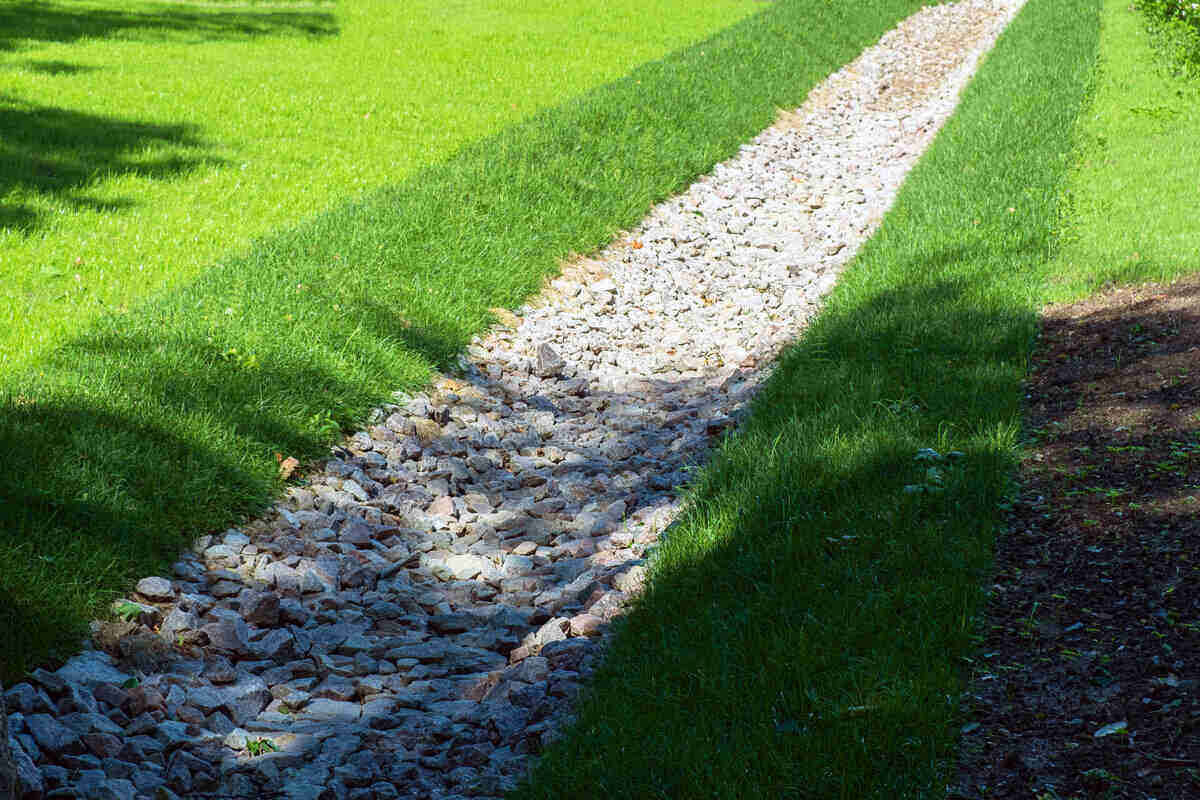
Exterior French drains
Foundation drainage systems
Downspout extensions
Regrading
Surface drains
Combination systems
The goal should never be selling the biggest project possible. The goal should be solving the problem correctly.
That’s the difference between temporary fixes and long-term protection.
How to Know When It’s Time to Install a French Drain Near Polk County, Iowa
Some drainage problems are easy to spot. Others develop slowly over time.
Here are some common warning signs:
Standing water after rain
Water stains in the basement
Cracks in foundation walls
Soggy areas in the yard
Musty smells indoors
Soil erosion
Water pooling near sidewalks or driveways
Mold or mildew growth
If you’re noticing multiple signs at once, it may be time to speak with a drainage professional.
Ignoring these problems usually doesn’t make them cheaper to fix later.
Common Questions Homeowners Ask About French Drains
How Long Does a French Drain Last?
A properly installed French drain can last decades with good materials and proper maintenance.
How Much Does a French Drain Cost Near Polk County, Iowa?
Costs vary depending on yard size, soil conditions, drainage complexity, and installation depth. Simple systems may cost less, while larger foundation drainage projects can require more excavation and materials.
Can a French Drain Stop Basement Flooding Completely?
In many cases, a properly designed French drain significantly reduces or eliminates water intrusion problems. However, the best solution depends on the exact source of the moisture.
Do French Drains Require Maintenance?
Yes, occasional maintenance helps keep systems functioning properly. Leaves, debris, and sediment can eventually affect drainage performance if ignored.
Final Thoughts
Water problems around your home can feel frustrating, stressful, and sometimes even embarrassing. Many homeowners put off dealing with drainage issues because they hope the problem will improve on its own.
Usually, it doesn’t.
The good news is that the right drainage solution can protect your home, improve your property, and give you peace of mind during heavy Iowa storms.
If you’re researching a French Drain Near Polk County, Iowa, take your time choosing a contractor. Ask questions. Learn how the system works. Look for experience, transparency, and a customized approach.
At DC Underground, Inc., we believe homeowners deserve honest guidance and drainage solutions built around their actual needs, not one-size-fits-all sales pitches. Our team proudly serves Knoxville and communities throughout Polk, Marion, Mahaska, Jasper, Warren, Dallas, Story, Poweshiek, Wapello, and Johnson Counties.
Because when drainage is done correctly, you shouldn’t have to think about it every time it rains.
